

Disclaimer: All opinions expressed are my own and should not be taken as factual conclusions.
SBI Card is the country’s only standalone domestic credit card company and operates as a joint venture primarily between State Bank of India (SBI) and GE Capital, with SBI owning the majority stake. SBICard runs through two divisions: one responsible for marketing and distribution, and the other handling backend functions such as technology and processing.
GE Capital’s Exit from SBICard
GE Capital has announced plans to exit the business. After GE’s exit, SBI intends to raise its stake and reach a higher majority share, after which it plans to list SBI Card publicly over the medium term, according to statements from company officials.
Following the announcement of GE’s exit, SBICard has become more aggressive with promotions and new strategic initiatives.
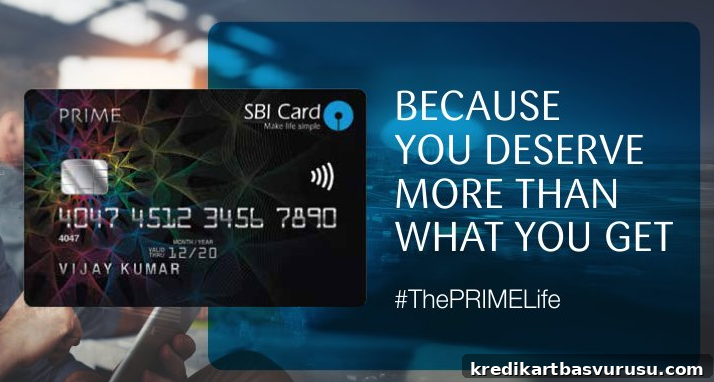
SBI Card Launches PRIME Credit Card
“When SBI holds a dominant stake, it will make little sense to run two parallel entities for the same business, given the overlap. A merger is likely, but the timing will depend on the board once the new shareholder structure is finalised,” said Vijay Jasuja, MD and CEO of SBI Card, commenting at a recent product launch event in Mumbai.
SBI Card Rises to Second Place on Key Metrics
SBI Card has moved up to the second position nationally, trailing only HDFC Bank on several important metrics:
- Number of customers: approximately 4.68 million
- Total card spends: about Rs 49,844 crore
However, SBI Card still trails multinational issuers such as American Express and HDFC Bank on average spends per card. To address this gap, the company refreshed its premium offerings—revamping the Signature card into the SBI ELITE and recently launching the SBI PRIME card—aimed at growing its premium cardholder base and increasing average annual spending.
- Average annual spends for Basic cards: around Rs 1,20,000
- SBI Platinum cards: generally Rs 1,75,000–2,00,000 (with potential to rise toward ~3,00,000)
- SBI Card Elite: typically Rs 3,75,000–4,00,000 (with milestones and benefits that can push average spends toward ~8,00,000)
These changes clarify why SBI increased milestone thresholds and benefits for the Elite tier and repositioned Platinum-level cards into the Prime segment: the objective is to drive higher customer spending and boost the average spend metric.
If these strategies succeed, competing issuers such as AMEX and HDFC may respond with enhanced offers to retain their positions. For example, HDFC’s Regalia product could see improved benefits or new card variants designed to encourage higher card usage and fee reversals.
That said, displacing AMEX on average spends will remain challenging while American Express continues to target high-spend customers.
Plans to Become Market Leader within a Few Years
Jasuja has expressed a clear ambition for SBI Card to become the market leader quickly. He emphasised the company’s plan to increase penetration within SBI’s large customer base, which currently stands at roughly 35 percent. Greater penetration of account holders and targeted promotions could lift that share substantially.
SBI Card’s main advantage is its access to SBI’s vast retail customer base. With only partial penetration today, targeted offers—such as lifetime fee waivers for SBI account holders or other incentives—could rapidly raise adoption to much higher levels.

SBI Card to be the Market Leader
HDFC has a strong portfolio, but recent frequent devaluations and benefit reductions on several cards have attracted criticism, and customer support quality has been a concern for some users. That may create an opening for competitors who can offer competitive products and reliable service.
Newer entrants such as Yes Bank are also competing aggressively. While their product features can be compelling, broader geographic reach and distribution—especially into tier-2 and smaller cities—will be essential for them to challenge entrenched leaders like SBI and HDFC.
Overall, SBI’s introduction of the SBI PRIME Credit Card positions it as a strong contender against HDFC Regalia in many respects. Competition is intensifying, which should benefit consumers through better products and offers.
What’s driving the competition?
India is on track to become one of the largest credit card markets globally, driven by its large population and accelerating adoption of digital payments after demonetisation and focused government and industry initiatives. As banks and issuers compete for customers, the next few years are likely to bring more attractive credit card propositions, including potential co-branded hotel or travel cards similar to those available in other markets.
What are your thoughts on SBI Card’s prospects? Do you think it can reach the number one position? Share your views in the comments below.