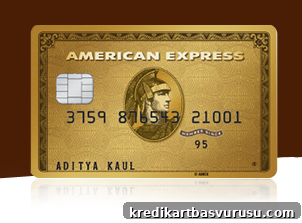
The Charge Card
Before comparing charge cards and credit cards, it helps to understand their origins. The idea began with a simple real-life problem: a diner at a restaurant discovered he had left his wallet at home and could not pay the bill. That situation inspired the charge card—a way for restaurants and other merchants to bill customers and allow them to settle the full balance at the end of each billing cycle. As consumers sought more flexibility, the concept evolved into the credit card, which lets cardholders carry a balance forward by paying a required minimum and deferring the remainder with interest.
Credit Card – The Major Difference
The primary difference between a charge card and a credit card lies in repayment terms. A charge card requires the cardholder to pay the entire balance in full by the end of the billing cycle. A credit card allows you to pay just a minimum amount due—often a small percentage of the balance—while deferring the rest, which accrues interest. Functionally, both types of cards can be used for purchases, but features such as EMIs, promotional financing, and interest charges typically apply to credit cards, while charge cards emphasize full monthly repayment.
The modern use of both card types traces back to pioneers such as Diners Club International, widely credited as one of the first companies to introduce card-based payment systems. Later entrants like American Express, Visa, and Mastercard expanded acceptance and product variety, creating today’s diverse card market.
Diners Club Credit Cards in India
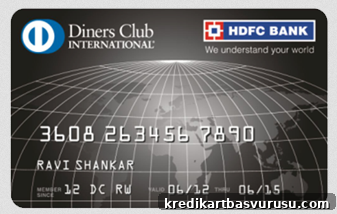
Diners Club Black by HDFC Bank
Diners Club cards continue to exist in many markets, though their acceptance network is smaller than that of Visa or Mastercard. In India, HDFC Bank issues Diners Club credit cards that appeal especially to frequent travelers and dining enthusiasts, offering perks such as complimentary airport lounge access and exclusive dining benefits. However, acceptance can be limited: some merchants and international websites may not display the Diners logo. For online international payments, you may see the Discover logo—Discover acquired Diners Club International and in some regions emphasizes the Discover brand. Though historically associated with the United States, Diners-branded cards today have stronger recognition in other parts of the world than in their country of origin.
Charge Cards in India
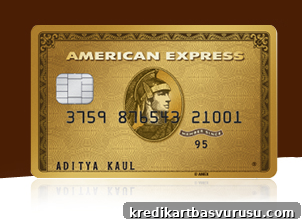
Amex Gold Charge Card in India
In India, American Express (Amex) remains the primary issuer of traditional charge cards, including premium variants such as the Amex Gold. Charge cards often come with higher spending capacity and in some cases no preset spending limit, distinguishing them from standard credit cards. Amex charge cards are positioned as premium products and are typically issued selectively—availability can be limited to metropolitan areas and higher-income individuals. Historically, eligibility criteria have targeted higher net-worth customers, and Amex cards often include a suite of lifestyle benefits: enhanced dining privileges, airport lounge access, concierge services, and other premium experiences. For many holders, owning an Amex charge or credit card signals a level of status, thanks to the card’s exclusive perks and service treatment.
Whether you choose a charge card or a credit card depends on your payment habits and financial goals. If you prefer to clear your balance each month and value premium services tied to full repayment, a charge card may suit you. If flexible repayment and the ability to carry a balance are more important, a credit card will likely be the better option. Evaluate acceptance networks, fees, rewards, and repayment terms before selecting the card that best fits your lifestyle.