
If you’ve followed this blog for a while, you’ll know I’m not fond of top-spender offers because of how they’re structured and how they typically play out.
I recently ran an experiment to reconfirm that view and ended up winning the Yes Bank Credit Card Top Spender 2020 Diwali campaign (daily). Even so, it wasn’t worth the effort. Below I explain why in detail.
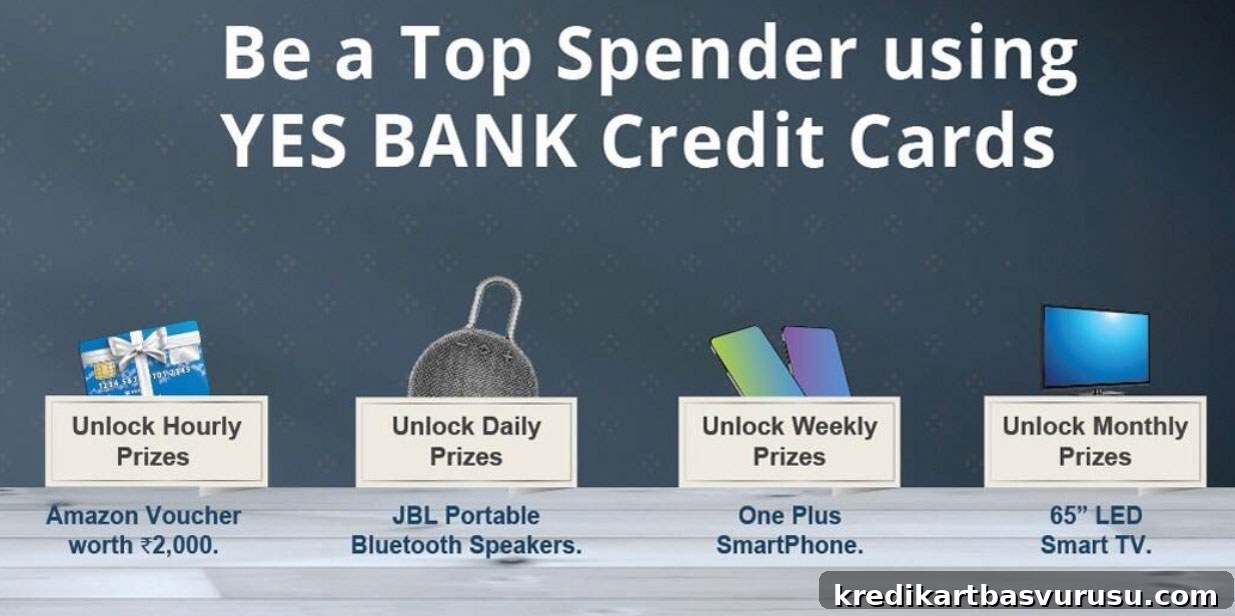
First, a quick recap of the offer. There were multiple prize tiers and frequent small winners, while weekly and monthly prizes had far fewer winners and much lower odds. The details were provided in the original campaign materials.
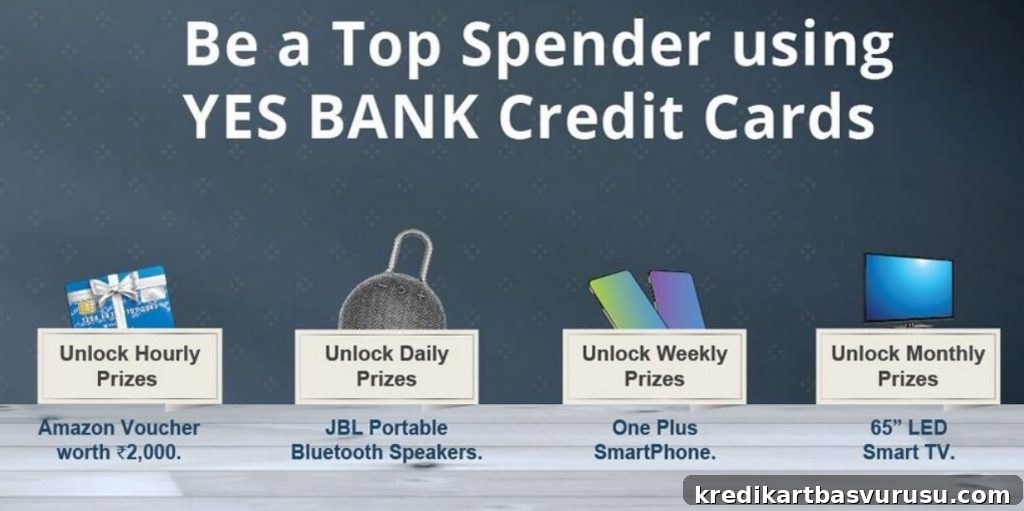
The structure meant many people would walk away with hourly or daily prizes, but only a handful would ever claim the larger weekly or monthly rewards. Banks design these promotions so that smaller prizes are much more likely, even though participants naturally hope for the big prizes.
Why I participated
I was originally holding back festive spending in the hope of qualifying for an Amex Diwali offer, but I wasn’t targeted for that promotion. The Yes Bank offer looked reasonable if I could hit the weekly winner level, so I decided to try.
I knew from past examples — like the 2018 SBI Cards top-spender campaign — that these promotions can be hit-or-miss. There were reports of cardholders who spent lakhs yet received nothing. That made me wary, but I wanted to test the mechanics firsthand.
So I ran the experiment with Yes Bank, thinking participation might be lower and the test would be informative.
Why it wasn’t worth it

I won a JBL Bluetooth speaker, which retails for roughly Rs. 2,400 on Amazon. To qualify I spent around Rs. 1.5 lakh during the campaign period. Counting the speaker and the regular card rewards, my effective return worked out to about 3.1% on that spend.
Because I chased a larger prize — the OnePlus smartphone — I increased my spending even further. That strategy backfired: my net return on those additional spends dropped well below 3% once I accounted for what I gave up by not allocating that money elsewhere.
In short, the opportunity cost was significant. Had I concentrated that spending on a card with higher base rewards — for example, a premium card with better points accrual — I would have earned substantially better value than the small prize I ultimately received.
Final thoughts
This experiment confirmed my prior skepticism about top-spender promotions. They often reward effort with modest prizes while tempting you to chase much larger rewards that are unlikely to materialize.
If you consider participating, limit your entry to situations where the card’s regular rewards are already competitive compared to your other options. That way you don’t sacrifice meaningful value in pursuit of a prize.
Of course, if you enjoy the thrill of the competition and understand the risks, playing for fun is perfectly reasonable — just be mindful that the outcome can be disappointing.
Have you ever taken part in a top-spender offer and won? Share your experience in the comments below.