
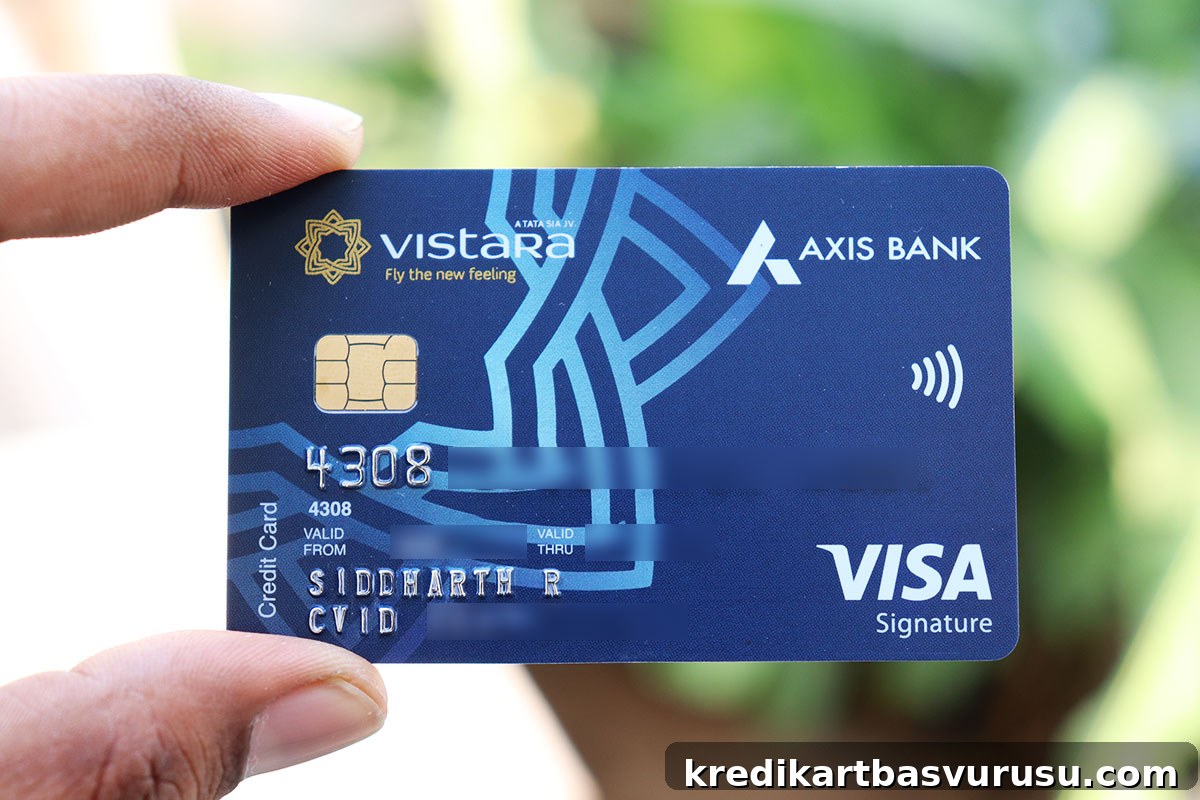
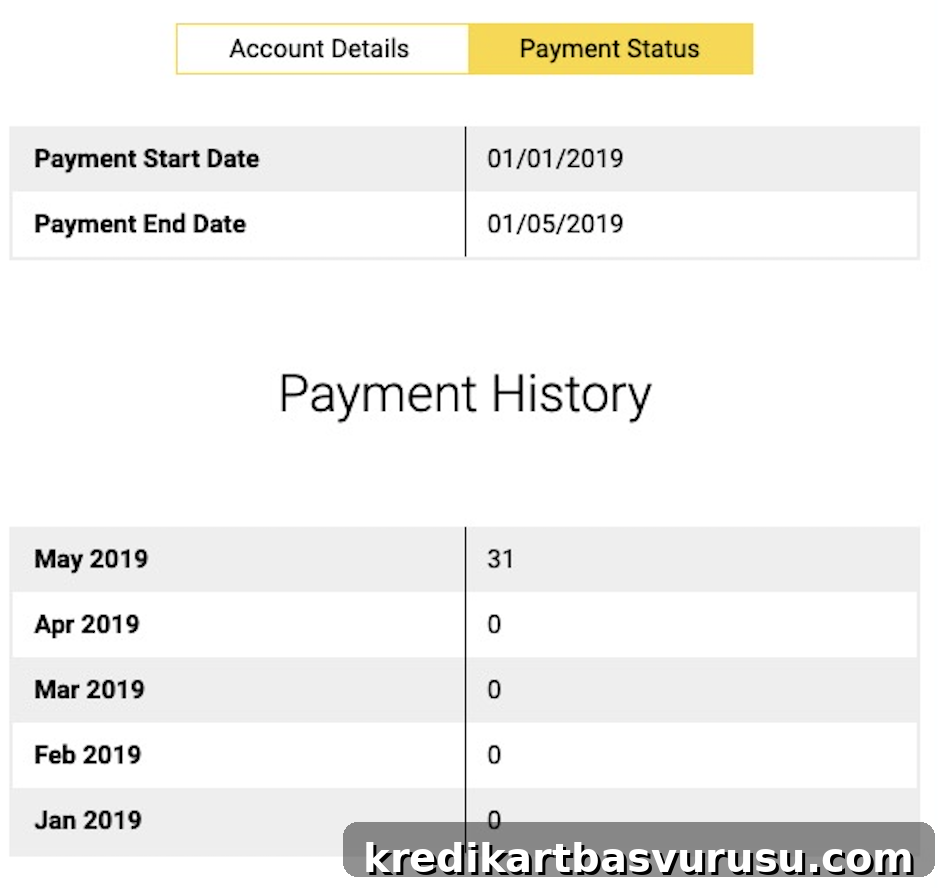
A few days ago I reviewed my CIBIL report and noticed that Axis Bank had reported my last payment as delayed by 31 days. After I saw this, I checked my past statements and identified the cause. Below I explain what happened and how I resolved it.
- Also read: Get Your CIBIL Score for FREE with Full Report, Every Year

The Extra Credit Issue
I had paid a credit card bill through a payment app and received cashback that posted as an “extra credit” on the card that generated the statement. The following month I spent an amount smaller than that extra credit, so the statement again showed “extra credit.”
Because my account already showed a positive extra credit balance, I assumed the account was settled and did not make an additional payment. Axis Bank interpreted this as if I had not paid even the minimum due and reported a missed payment to CIBIL (and possibly to other credit bureaus).
Checking CIBIL Reports
I check my CIBIL report at least once a week, which is how I discovered the discrepancy. As soon as I noticed it, I raised the issue with Axis Bank using their chat support. They accepted the request and promised to correct the reporting within a week.
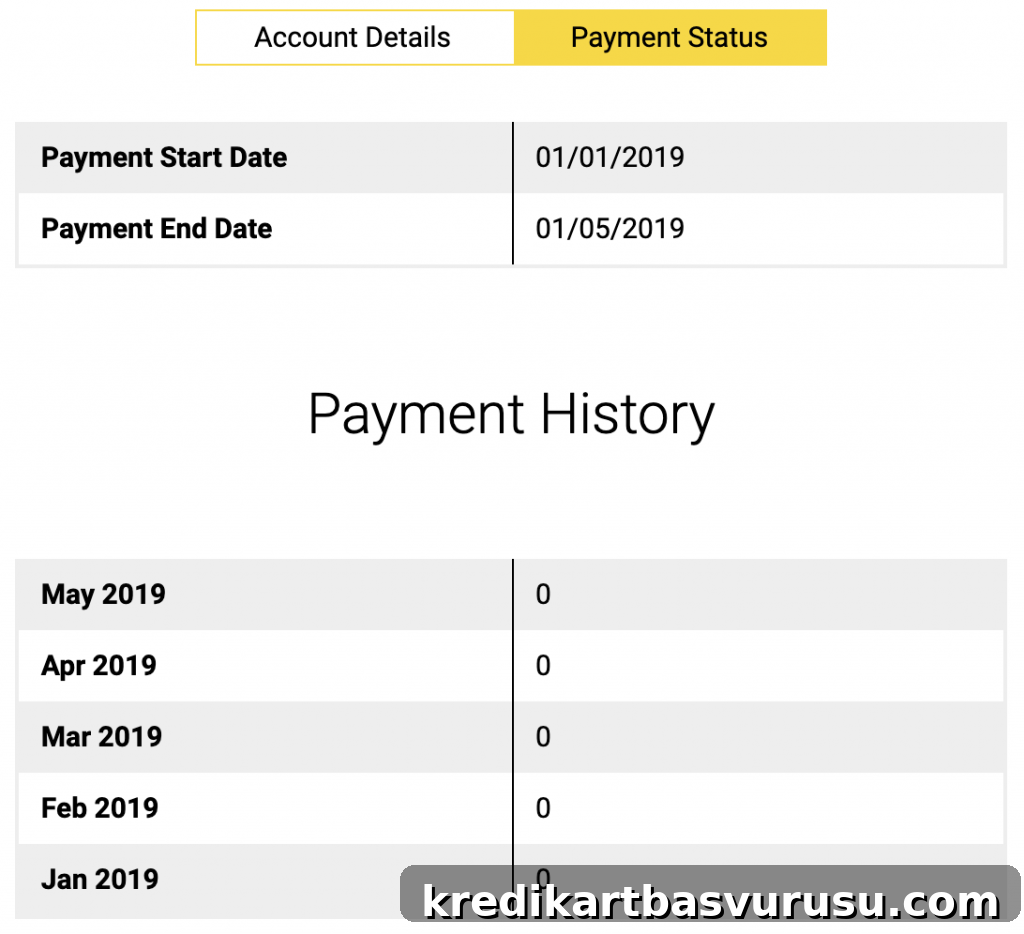
Five days later I rechecked my CIBIL report and the entry had been corrected.
Bottomline
It’s important to monitor your CIBIL report at least once or twice a year, and more frequently if you actively use credit. Timely checks let you spot and dispute incorrect entries before they damage your credit history. In my case the score did not drop, but similar issues left unaddressed could harm others’ credit profiles over time.
As a precaution, when your account shows excess credit, consider paying at least the minimum due to avoid any ambiguity in reporting.
Keep in mind that excess credit can appear not only when you intentionally overpay a card, but also when refunds and cashbacks are posted to your account.
Have you experienced similar CIBIL reporting issues? Feel free to share your experience in the comments below.