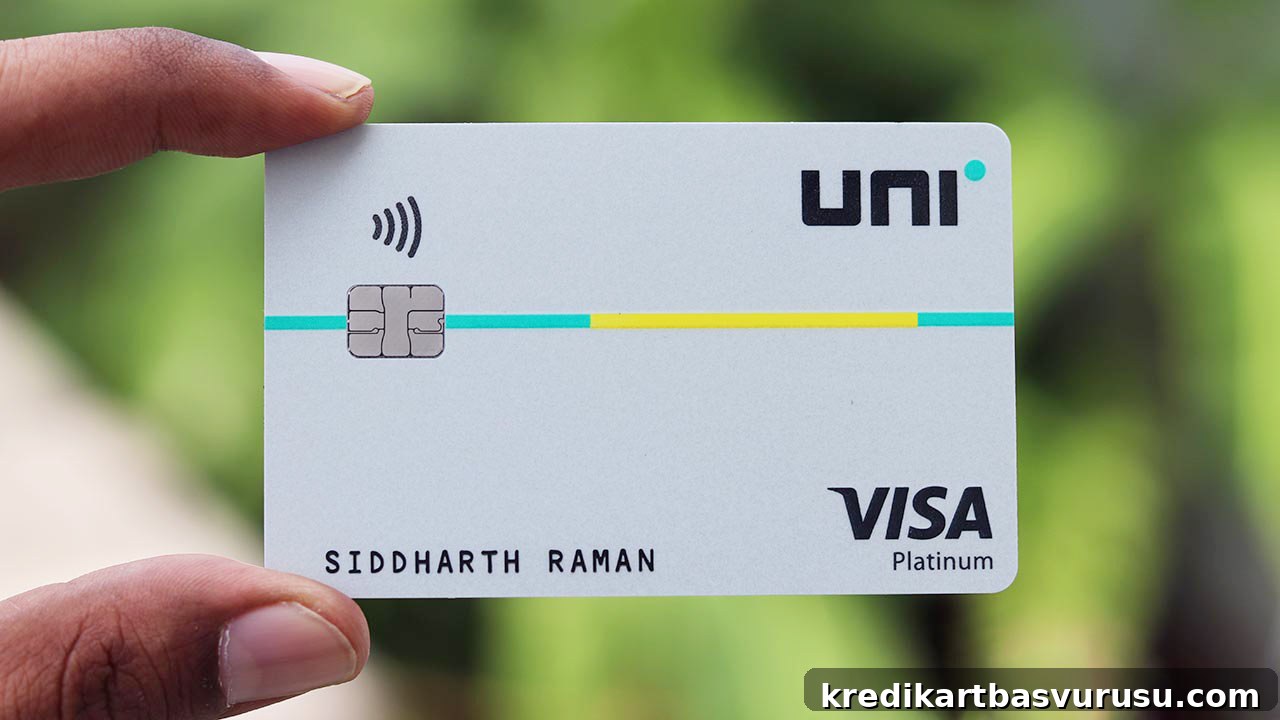
Update: The Uni Pay 1/3rd card has been discontinued, but Uni now offers other credit products available through its app.
Uni Cards, a startup that raised $18.5 million in funding, launched the Uni Pay 1/3rd card as its first product to improve the credit experience. Below is a clear, concise guide to what the Uni Pay 1/3rd card offered and how it worked.
Table of Contents
- Overview
- What’s Uni Pay 1/3rd Card?
- Fees & Charges
- Rewards
- Design
- Credit Limit
- Unboxing
- Support
- Should you get Uni Card?
- How to Apply?
- Final Thoughts
Overview
| Type | Buy Now Pay Later Card |
| Reward Rate | 1% |
| Annual Fee | Nil |
| Best for | Dining offers & split payments |
| USP | Customer Support |
Uni Card positioned itself as a modern, user-focused card in the growing Buy Now Pay Later (BNPL) and entry-level credit market.
From my experience, Uni stood out for its strong customer support and targeted offers such as dining discounts and spend-linked promotions like the Grand Uni Carnival.
What’s Uni Pay 1/3rd Card?
The Uni Pay 1/3rd card functioned more like a PayLater product than a traditional credit card. Purchases could be split into three equal monthly payments with no interest or fees. For example, a 30,000 INR purchase could be paid as 10,000 INR per month for three months at 0% interest.
Technically the product combined two components:
- A prepaid card issued through a partner bank (RBL/SBM) that provided Visa network access.
- An NBFC partner (LiquiLoans) that provided the underlying credit line.
Because it used a prepaid structure, the card had limitations: it was intended for domestic use only, did not support international transactions or ATM cash withdrawals, and could face restrictions when loading into certain digital wallets due to regulatory rules.
Uni also released a short promotional video highlighting the product’s concept and style.
Fees & Charges
| Joining Fee | Nil |
| Renewal/Annual Fee | Nil |
| Interest on revolving amount | Late fees only, as per slab |
At launch the Uni Pay 1/3rd card carried no joining or annual fees, positioning it as a lifetime free product. Instead of daily interest on unpaid amounts, charges were applied as late fees based on predefined slabs.
Rewards
- 1% cashback if you pay the transaction in full
By default, each transaction was split into three equal parts. If you chose to pay a transaction in full instead of using the three-month split, you qualified for 1% cashback. The app made it simple to select which transactions to pay in full so the cashback would be applied to the unbilled statement.
While the 1% cashback was straightforward, it is modest compared with some entry-level cards that offer 2% or higher. Uni indicated plans to expand rewards with Uni Coins and a Uni Store that could deliver higher multipliers for purchases.
Design
The physical Uni Card featured a minimalist, premium design. Cardholder name appeared on the front while details were printed on the back. The grey/silver finish gave it a modern, understated look.
Credit Limit
Credit limit is a key factor for first-time cardholders. Uni reported typical limits ranging from 20,000 INR up to 600,000 INR, which is competitive for an entry-level product. My personal limit landed in the mid-range of that band.
Requests for credit limit increases could be submitted after six months of card issuance.
Unboxing
The Uni card arrived in a well-designed box that delivered a premium unboxing experience. The kit included:
- The Uni Card
- A Toblerone chocolate
- A high-quality face mask
- A personalized baggage tag
Photos of the packaging and contents highlighted the attention to detail and presentation.
Support
Customer support is a critical differentiator for entry-level cards, and Uni delivered a responsive experience. After expressing interest, I received a proactive email and a callback within 30 minutes when I asked about iOS support. Follow-ups via WhatsApp were also handled promptly.
Fast, human customer support added real value to the overall product experience.
Should you get Uni Card?
Whether the Uni card suits you depends on your needs. Key advantages included:
- Lifetime free membership
- Welcome freebies: mask, chocolate and baggage tag
- 1% cashback on transactions paid in full
- Pay Later functionality: interest-free, three-month split useful for large or emergency expenses
- Introductory offers such as Zomato Pro for limited periods
Aside from modest rewards, Uni scored highly on onboarding, support, welcome kit, and practical BNPL features. It was a sensible card for those new to credit or seeking a simple, fee-free BNPL option.
How to Apply?
- Apply via the Android or iOS app
The application was quick and straightforward via the mobile app, taking about five minutes. Identity authentication used Aadhaar and a selfie. Uni checked eligibility using CRIF and, during underwriting, the NBFC partner likely pulled CIBIL as well.
A virtual card was available instantly after approval; physical cards were delivered in roughly 3–5 days through Delhivery. The app allowed selecting a delivery address different from the Aadhaar address. Initially, shipping was limited to select cities while the company expanded its footprint.
Final Thoughts
- Cardexpert Rating: 4/5 (in this segment)
Overall, the Uni Pay 1/3rd card provided an excellent onboarding experience, a premium welcome kit, competitive credit limits, straightforward rewards, and strong customer support. It was particularly well suited for those new to credit or anyone who values simple BNPL functionality without annual fees.
While the card is discontinued, Uni’s approach to UX, support, and product packaging remains notable, and future Uni credit products may follow the same customer-focused playbook.
Have you used a Uni product? Share your experience in the comments below.