A quick personal update that’s a little off-topic but important to share.
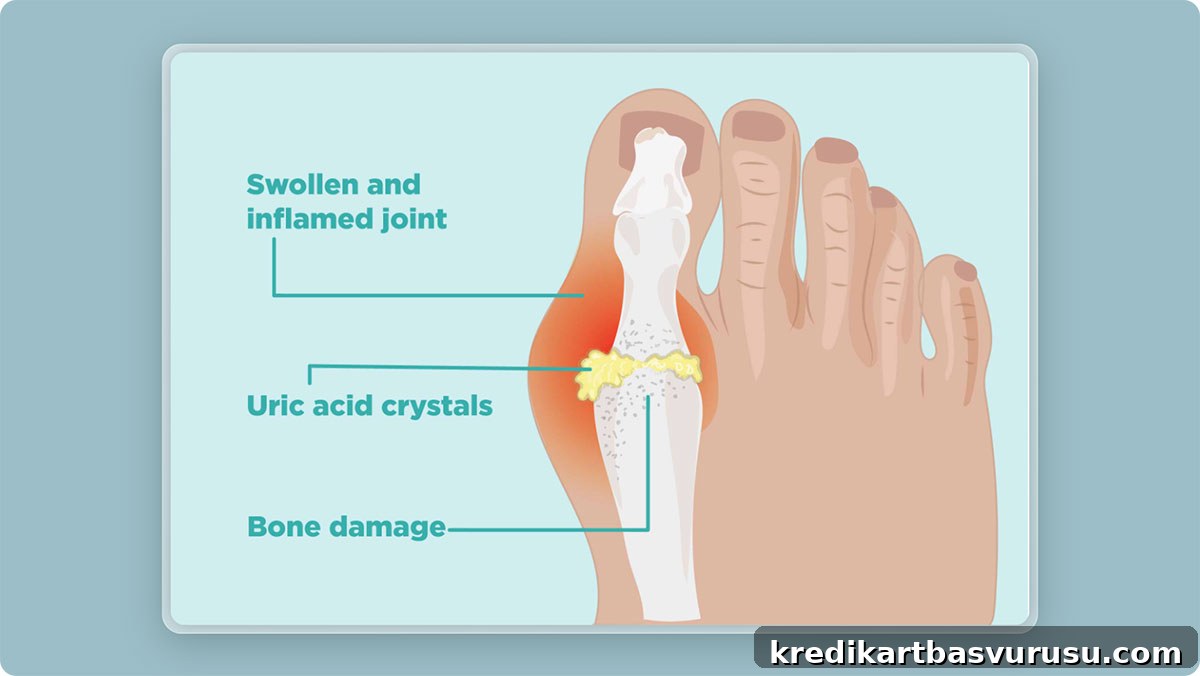
One night I went to bed as usual and was almost asleep when, after about an hour, I was jolted awake by excruciating pain in my foot centered on the big toe. It felt like the worst pain I have ever experienced.
The pain pulses as if my heart has migrated to my foot, but instead of blood it is pumping razor blades.
The pain returned repeatedly through the night, leaving me no chance to sleep. Even the pressure of a thin bedsheet on the toe was unbearable.
In the morning I saw a doctor. Within seconds of examining my foot he said:
It’s gout. Your uric acid is high. You’re not drinking enough water.
This reminded me of a full blood test I took about a year and a half ago where the doctor had flagged my uric acid level as concerning. At the time I was surprised: I don’t eat much meat and I don’t drink alcohol, which are common contributors to high uric acid. Aware of the issue back then, I nevertheless let it slip from my routine checks and precautions—and now I was paying for that negligence.
The doctor prescribed medication and set a follow-up for a week later. I read further and found alarming headlines and mixed messages online, including claims such as:
- Gout reduces life expectancy by 25%
- There is no cure for gout
- Gout requires lifelong medication
At the same time I learned some historical notes: gout has been called the “disease of kings,” and well-known figures such as Isaac Newton, Leonardo da Vinci, and Charles Darwin are often said to have experienced it.
After about three weeks the acute pain subsided and the inflammation is expected to continue easing over the next month. Alongside this, I had a separate issue with a family credit card being blocked for reasons unrelated to my health, which added stress. That situation is still unresolved but likely to be cleared soon; I’ll share details separately.
Takeaway
Here are practical takeaways from my experience:
- Hydration matters: In summer we need more water than usual. Dehydration can contribute to gout attacks, so drink more water consistently. My doctor noted that gout cases often rise during warmer months.
- Watch certain foods: In my case, eating large amounts of peanuts that week likely contributed to the flare-up, especially combined with low fluid intake. Be mindful of foods that can raise uric acid.
- Get regular blood tests: If you are over 30, schedule a full blood test at least once a year. Regular checks help identify issues before they escalate.
- Act on abnormal results: Knowing a lab value is high is not enough. I knew my uric acid was concerning but didn’t take sustained preventive action, and I suffered for it. Take recommended steps when tests show a problem.
Take preventive action when needed so you don’t have to pay the price in pain. This episode was an eye-opener for me in many ways, and I’m grateful to have learned from it.
Most people I’ve talked to since then were already familiar with gout—either from personal experience or through family members—so it seems likely many people will encounter it at some point in life. I’m sharing this in hopes it helps someone recognize the signs and take early action.
It may not be avoidable for everyone, but awareness and simple habits like staying hydrated and monitoring your health can reduce the risk and severity of attacks.