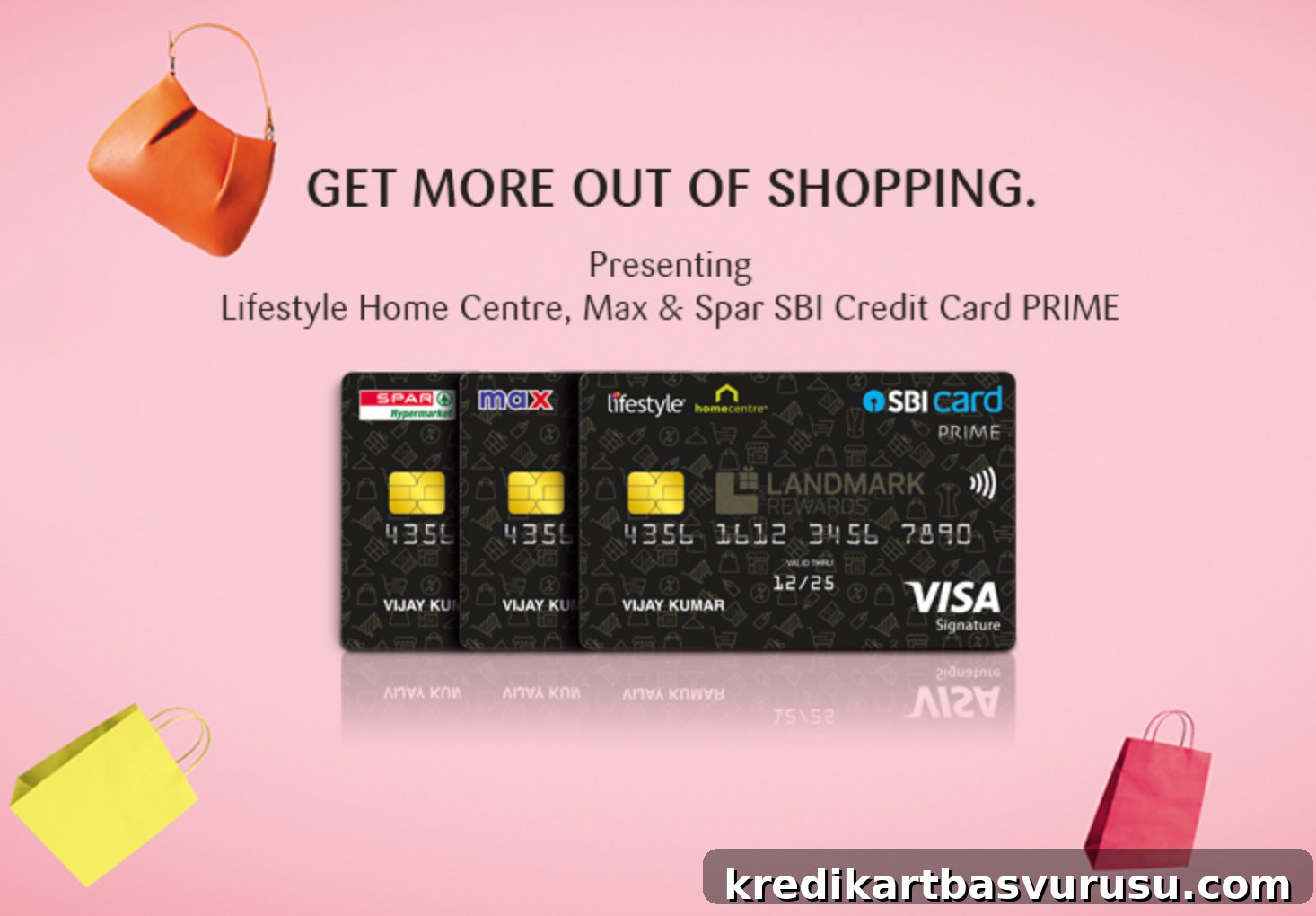
As announced, Landmark ended its co-branded credit card relationship with Standard Chartered effective 29 February 2020 and has partnered exclusively with SBI Card to issue a new set of co-branded cards.
The SBI Card & Landmark Group partnership introduces nine new cards across three main variants for each sub-brand (Lifestyle & Home Centre, Max & Spar). Below is a clear breakdown of the features and who each variant might suit.
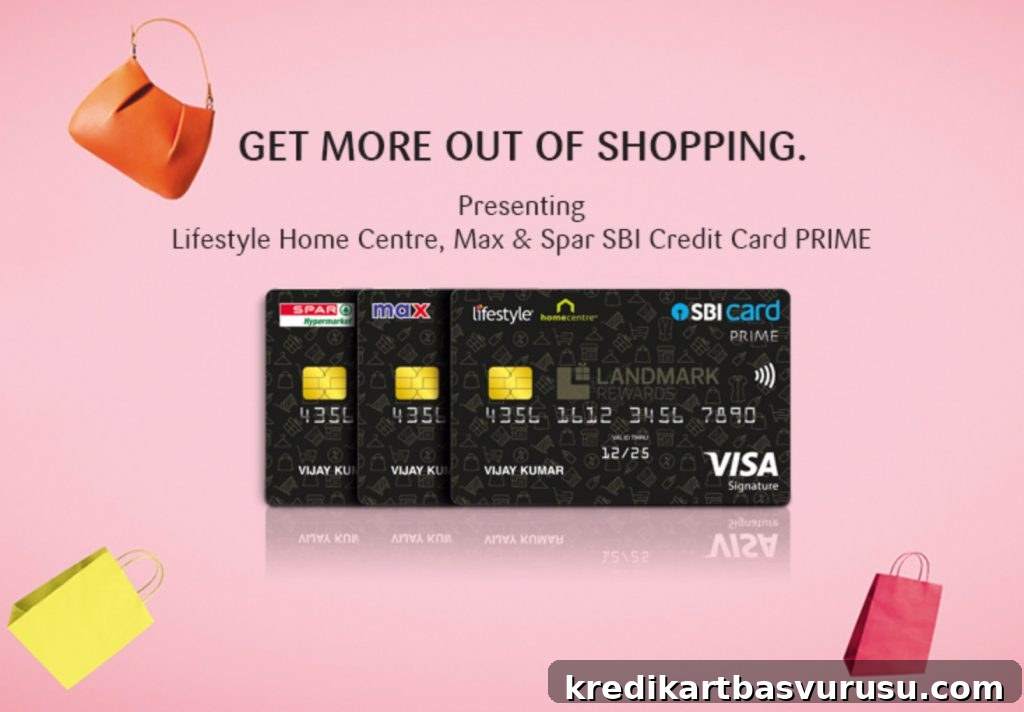
Table of Contents
- Prime Variant
- Select Variant
- Base Variant
- Bottomline
Prime Variant
- Fee: Rs. 3,000 + GST (welcome benefits in Reward Points equivalent)
- Landmark spends: 3.75% return
- Dining/Movies: 2.5% return
- Other retail spend: 0.5% return
- Accelerated rewards on Landmark spends: 58,000 RPs on Rs. 1.8 lakh spend (~8%)
- Accelerated rewards on all retail spends: 20,000 RPs on Rs. 5 lakh spend (~1%)
- Lounge access: Domestic 8/year (2 per quarter); International 4/year via Priority Pass
When you concentrate roughly Rs. 1.8 lakh of annual spend at Landmark brands, the Prime variant can deliver north of an 11% effective return—an attractive rate if you regularly shop at Home Centre, Lifestyle or Max.
Even without heavy Landmark spend, the card offers meaningful value: achieve at least 1.5% return on all retail spends if you meet the Rs. 5 lakh annual threshold, which keeps the card useful for broader use.
Select Variant
- Fee: Rs. 1,500 + GST (welcome benefits in Reward Points equivalent)
- Landmark, dining & movies spends: 2.5% return
- Other retail spend: 0.5% return
- Accelerated rewards on Landmark spends: 34,400 RPs on Rs. 1.5 lakh spend (~5.5%)
- Accelerated rewards on all retail spends: 12,000 RPs on Rs. 3 lakh spend (~1%)
The Select variant produces about an 8% effective return when you concentrate around Rs. 1.5–1.8 lakh of spending at Landmark brands. It also raises your baseline rewards to roughly 1.5% on all retail spends once you hit the Rs. 3 lakh annual milestone, making it a solid mid-tier option.
Base Variant
- Fee: Rs. 500 + GST (welcome benefits in Reward Points equivalent)
- Landmark, dining & movies spends: 1.25% return
- Other retail spend: 0.25% return
- Accelerated rewards on Landmark spends: 16,400 RPs on Rs. 95,000 spend (~4.3%)
- Accelerated rewards on all retail spends: 8,000 RPs on Rs. 2 lakh spend (~1%)
The Base variant offers about a 5.5% return when you spend roughly Rs. 95,000 at Landmark brands and increases to 1.25% on all retail once you meet the Rs. 2 lakh annual threshold. It’s suitable for occasional Landmark shoppers but less competitive versus some marketplace-focused cards.
Bottomline
Overall, the SBI Card–Landmark partnership is a sensible fit. Both brands have extensive reach, including in tier-2 cities, so these co-branded cards can appeal to a wide customer base.
The multiple variants help address different customer segments and brand recognition across regions—for example, Max may resonate better than Lifestyle in some markets. Visually, the card designs could be improved, but the value lies primarily in rewards and privileges.
In comparison with other top SBI Card offerings—such as SBI Prime, SBI Elite, Ola Money SBI Card or Vistara co-branded options—these Landmark variants are competitive only for specific shoppers who spend significantly with Landmark Group. The Base card is less compelling compared with several marketplace cards like Amazon Pay or Flipkart Axis, while the Select card is decent. The Prime variant stands out most: generous accelerated rewards plus lounge access make it attractive for shoppers who regularly use Home Centre, Lifestyle or Max and can unlock the higher spend tiers.
In short: choose the Prime variant if you have substantial Landmark spend and value lounge access. Select fits moderate Landmark shoppers. Base is best only for very occasional users or those who prefer a low-fee option.
Would it be useful for SBI Card to issue multiple cards under a shared credit limit, similar to other issuers? That could improve flexibility—feel free to share your view in the comments below.