I recently spent a week traveling through Northeast India with a friend and wanted to share practical observations that may help others planning a visit. Our trip covered Assam and Meghalaya, so the information below focuses on those two states.
Table of Contents
- Why North East?
- Covid test on arrival
- Safety
- Hotel Occupancy
- Tourism
- Flights
- So How’s Assam & Meghalaya?
Why North East?
People often call the Northeast India a hidden gem, and I discovered why on this trip. My Premium Economy tickets with Vistara were nearing expiration, and flight schedules worked well for Assam and Meghalaya. That made the region an easy choice for a short getaway.
I had been postponing visits to other hill destinations like Mussoorie and Rishikesh, so this was a good opportunity to explore a less familiar part of the country.
Covid test on arrival
Both Assam and Meghalaya require testing on arrival at the airport.
- Cost: 1,000 INR per person (includes RAT and RT-PCR)
If you arrive in Assam and plan to visit Meghalaya later, make sure an RT-PCR test has been done within 72 hours before entering Meghalaya.
You receive the RAT result within about 30 minutes; a negative RAT lets you leave the airport. The RT-PCR result is typically sent via WhatsApp within a day. The whole airport testing process generally takes under an hour, though waiting areas are basic.
There are no special requirements when returning to Assam from Meghalaya.
Safety
Mask usage among locals is uncommon outside hotels. In Guwahati you may still see some people wearing masks, but mask use drops significantly as you leave the city. Hotels tended to follow safety protocols more consistently.
Given the entry testing in both states, the local approach felt relaxed; nonetheless, basic precautions are sensible, especially in crowded indoor settings.
Hotel Occupancy
City hotels operated at low occupancy during our visit. For example, Radisson Guwahati appeared to be running at roughly 25% capacity, while Vivanta Guwahati seemed busier—possibly due to Valentine’s Day weekend. Tourist-area hotels, however, had healthier bookings. Lodging around Kaziranga was busy on the days we were there; some properties were fully booked.
Tourism
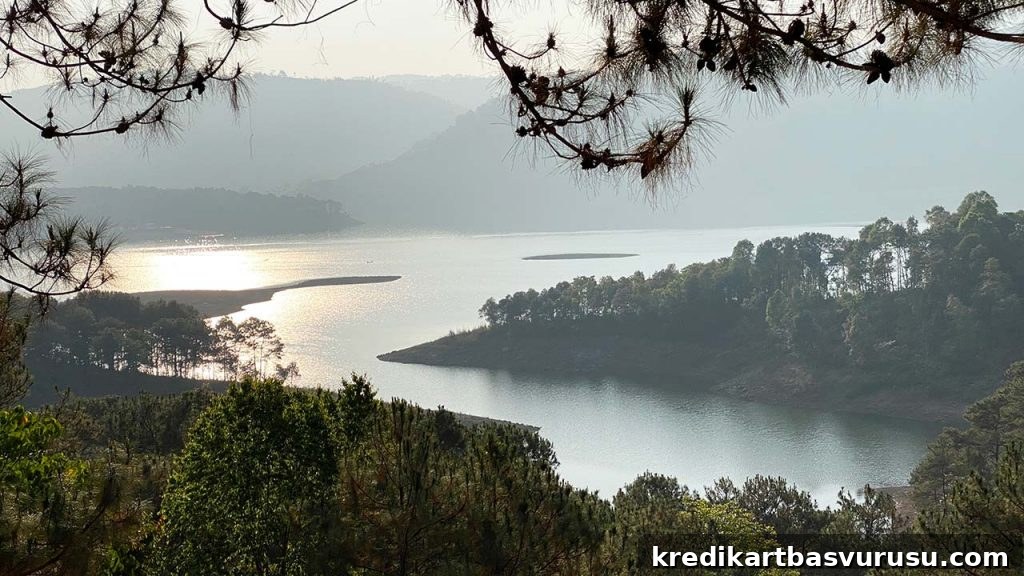
Most visitors we encountered were locals rather than tourists from other Indian states. Assam’s tourist spots felt lively because of local crowds, whereas Meghalaya felt quieter and more peaceful. In places like Umiam Lake we often had the area almost to ourselves, and even popular spots such as Dawki were relatively uncrowded. That low footfall made sightseeing easier and more relaxing.
Flights
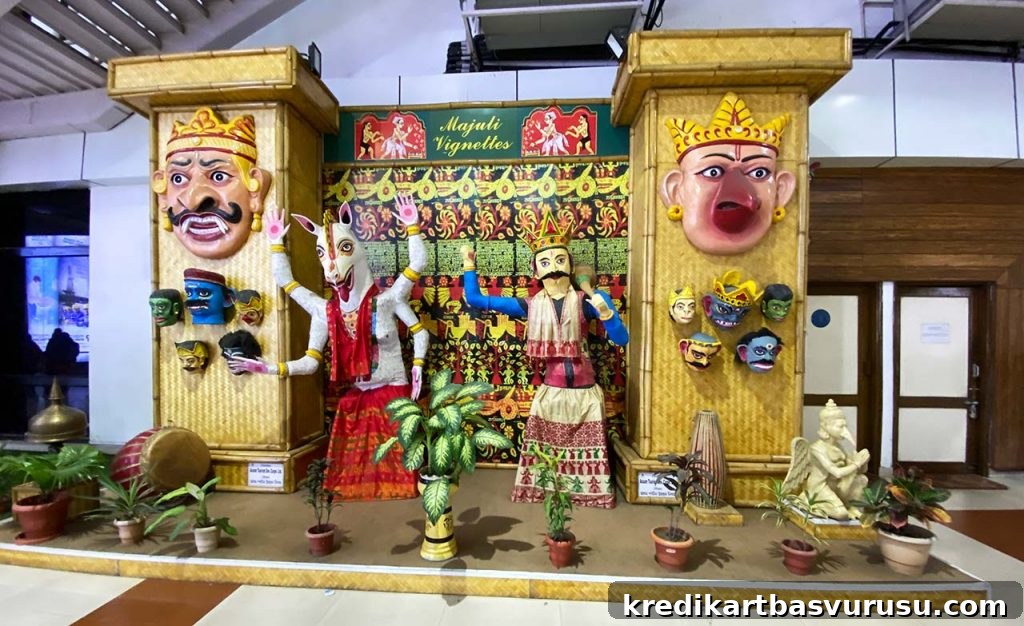
Arrival at Guwahati airport went smoothly, but departure was time-consuming. There were long queues at airport entry, baggage screening, and airline check-in counters. From arrival at the terminal to reaching the gate took us roughly an hour.
If you prefer less hassle, consider priority check-in or fast-track options; otherwise allow extra time for security and boarding procedures.
So How’s Assam & Meghalaya?
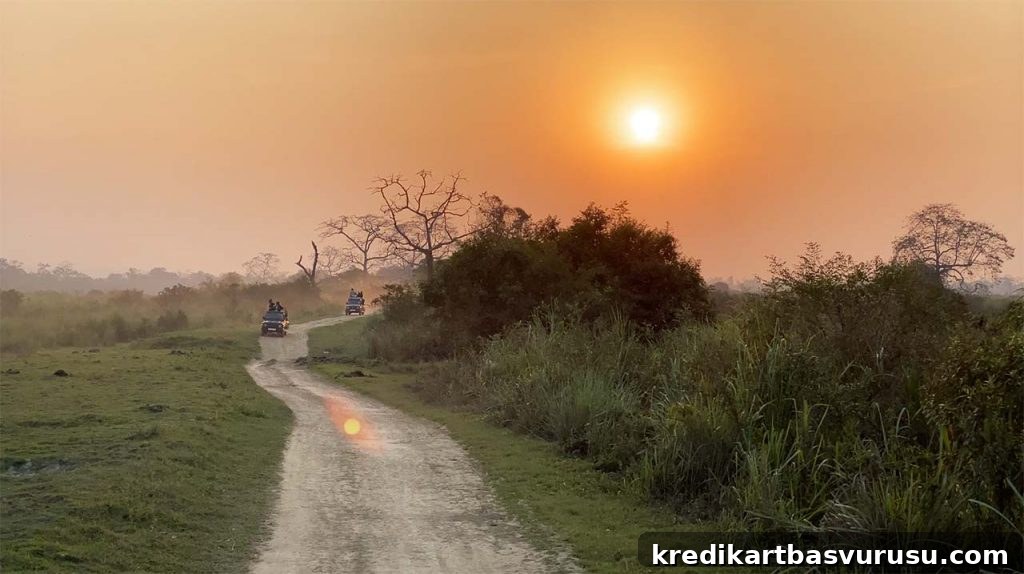
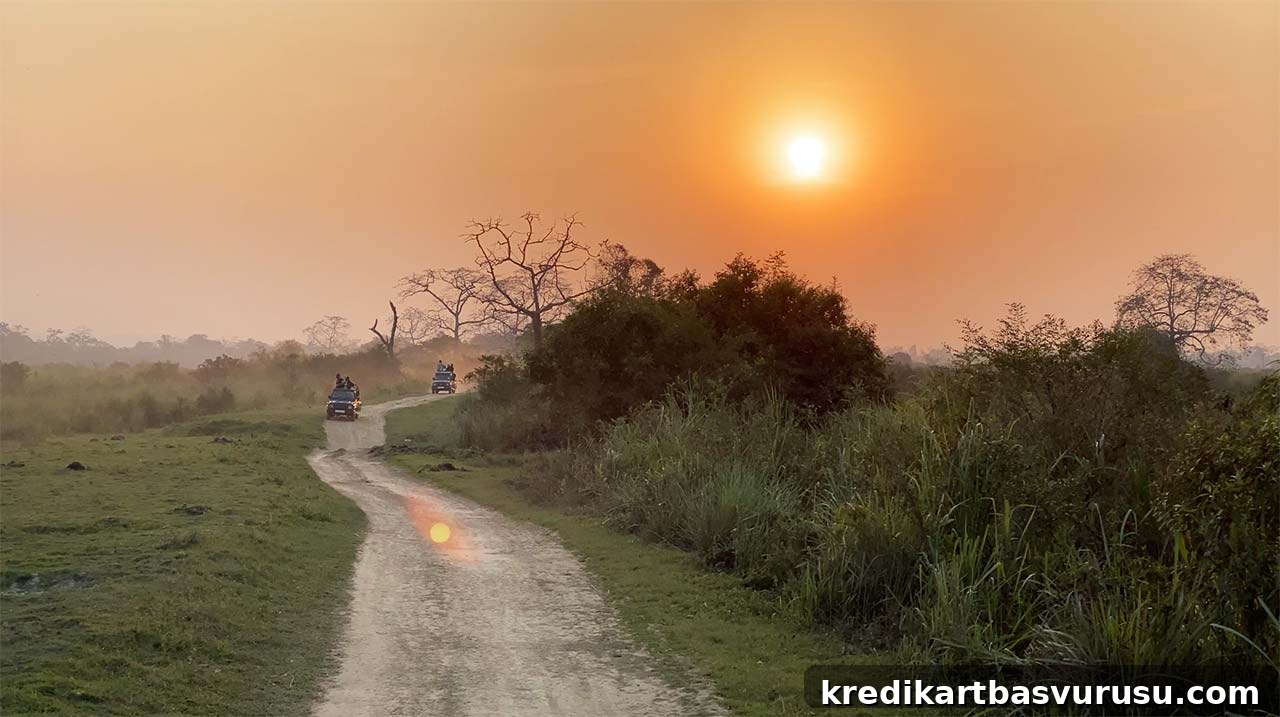
Overall the trip was excellent. In February the weather was pleasant, crowds were light, and the landscapes were striking. One notable difference is the timing of daylight: sunrise in the Northeast can be around 5:00 AM, about an hour earlier than many other parts of India. Early mornings and evenings produced spectacular views over lakes, rivers, and national parks like Kaziranga—sunrises and sunsets that are well worth waking up for.
If you’re considering a trip, Assam and Meghalaya offer a mix of vibrant local life and quiet natural beauty. The reduced crowds during our visit made it easier to enjoy these places without the usual tourist congestion.
Have you visited Northeast India? Feel free to share your experience in the comments below.