
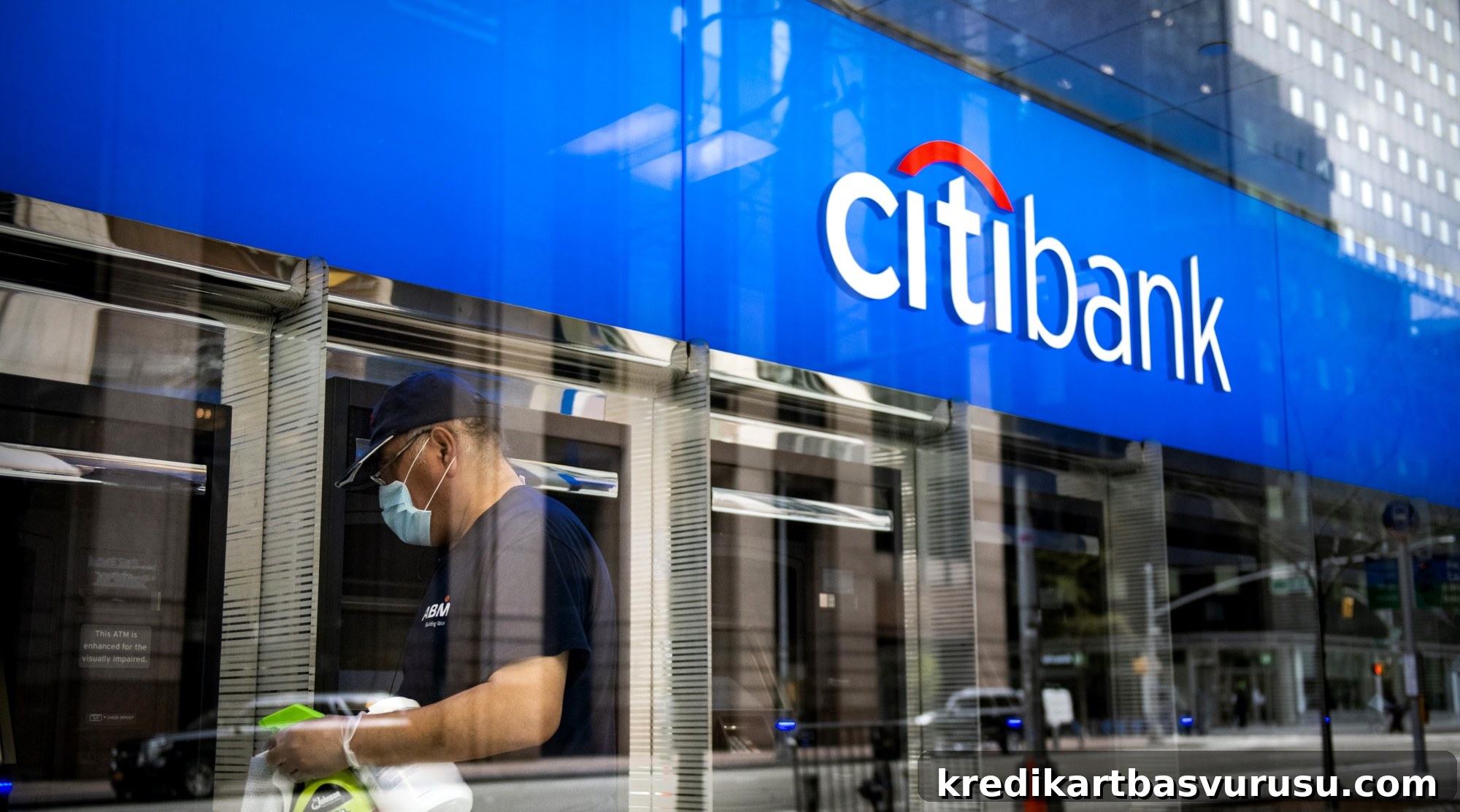
Citi began operations in India in 1902 and launched consumer banking services in 1985. On 30 March 2022, Citi announced the sale of its Indian consumer banking businesses — including credit cards, retail banking, wealth management and consumer loans — to private lender Axis Bank for Rs 12,325 crore. The move is part of Citi’s broader strategy to exit retail operations in 13 markets.
What Axis gains from the Citi deal
The transaction transfers Citi’s consumer banking businesses in India to Axis Bank. This includes credit cards, retail banking, wealth management, consumer loans and the consumer operations of Citicorp Finance (India) Limited, Citi’s non-banking finance company.
On the cards side, Axis immediately acquires:
- Approximately 2.5 million credit card customers, a large share of whom belong to the premium segment
With this acquisition, Axis Bank moves into third place in market share by card volume, a significant strategic gain. The deal is expected to close in the first half of calendar 2023 and will involve the transfer of about 3,600 Citi employees to Axis.
What happens to Citi customers
Citi customers are expected to retain existing rewards, privileges and offers they were entitled to before the sale. There should be no immediate change to their benefits or account status.
The migration of customer accounts and systems to Axis will take time. The integration process — matching products, transferring rewards, and consolidating systems — is complex and likely to span months. Customers will need to monitor official communications from Citi and Axis for timelines and specific next steps.
Assessment and outlook
Axis has evolved into a leading credit card issuer with a range of competitive and rewarding products over the past few years. The bank’s product portfolio has broadened and matured, with offerings targeted across customer segments.
This acquisition gives Axis a substantial boost in the premium card segment and access to experienced Citi staff, which could improve premium customer service. Existing partnerships for points transfers and other rewards could also create additional value for cardholders if retained during the transition.
Operationally, Axis will need to address ongoing support and technical challenges. Smooth migration depends on the robustness of integration planning and execution. If managed well, Axis customers — particularly in the premium segment — may benefit from an upgraded level of service and product enhancements once the integration completes.
The acquisition also brings retail banking customers into Axis’s fold, which may influence enhancements to premium retail propositions such as burgundy and burgundy private. Observers will watch how Axis integrates Citi’s customer base, refines product offerings and maintains service quality during and after the transition.