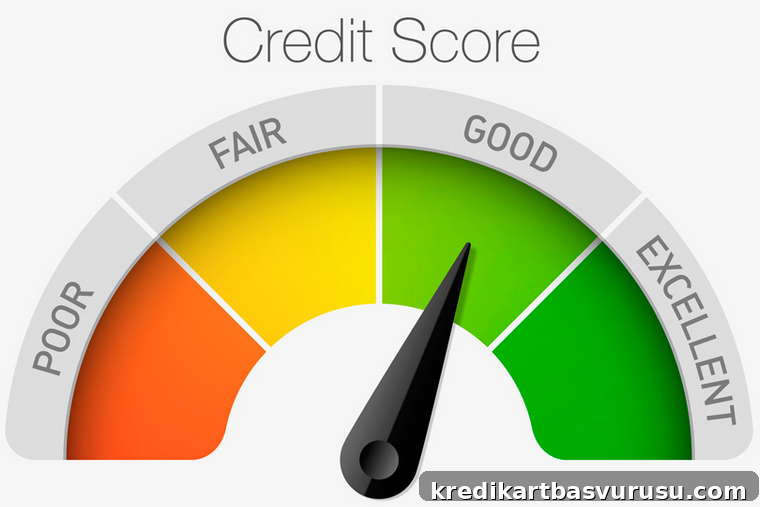
Your CIBIL score has become increasingly important for approvals on everything from credit cards to home loans. Keeping your score high helps ensure you’re more likely to get loan approvals and avoid unexpected rejections. Below I share practical, experience-based steps that helped me reach an excellent CIBIL score of 800+ and that can help you improve your credit profile as well.
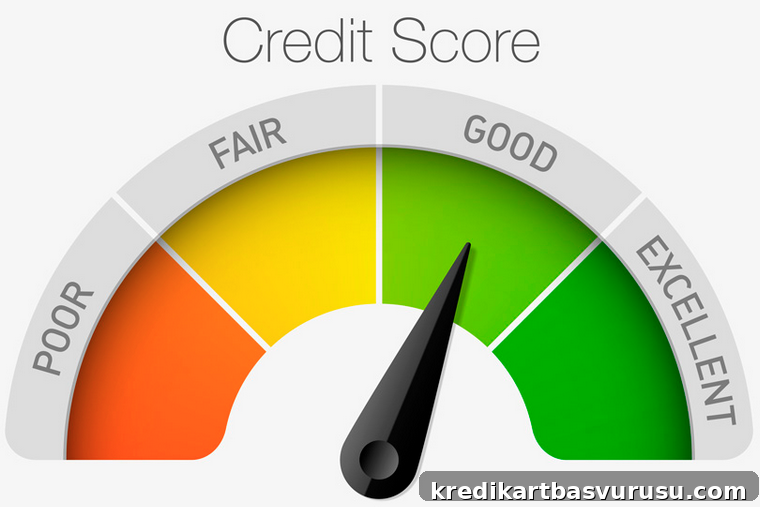
Ways to Increase your CIBIL Score (Indian Credit Score)
A CIBIL score of 750 and above significantly increases your chances of loan and credit card approvals. Below are seven effective and practical methods to raise your CIBIL score, illustrated with personal observations where relevant.
Seven Effective Ways to Improve Your CIBIL Score
1. Use Secured Credit Cards
Secured credit cards, issued against a fixed deposit, are a reliable way to build or improve credit. These cards typically do not trigger hard inquiries on your credit report, and when used responsibly—paying the balance on time—they can raise your score within a year.
Personal note: I used secured cards for several years and paid every bill on time. This consistent behavior contributed meaningfully to my credit profile.
2. Take a Home Loan
Home loans are viewed as “good” credit because they demonstrate the ability to manage a large, long-term obligation responsibly. Having an active home loan, whether in your name or jointly held, often improves the credit mix on your report and can positively affect your CIBIL score.
Personal note: After taking a home loan, my score climbed above 800 within about a year; previously it hovered around 750.
3. Education and Installment Loans Help
Education loans and other installment loans (such as car loans) are also considered good credit. They show lenders you can handle scheduled repayments over a period of time.
Personal note: My education loan remained active for several years and likely played a significant role in strengthening my credit profile despite occasional delayed payments.
Those three types of credit—secured cards, a home loan, and an education loan—were the main active accounts on my report when I crossed the 800 mark. Even when some educational loan EMIs were reported as delayed beyond 90 days (marked as STD), my overall score was not severely affected due to the sustained positive payment history elsewhere.
4. Use Credit Card Loans Judiciously
Some lenders offer credit card loans or temporary credit lines that are reported as credit card usage rather than as separate personal loans. When such borrowing is reported as credit card activity and does not involve a hard inquiry or reduction of your card limit, it can contribute positively to your credit mix. Always check how a particular product is reported to the bureau before using it.
5. Maintain Older Credit Accounts
The length of your credit history is an important factor. Older accounts, especially long-standing credit cards, show lenders how dependable you are over time. Closing your oldest accounts can shorten your average account age and may lower your score, so keep longstanding accounts active if possible.
6. Keep Utilization Below 30%
Credit utilization—the percentage of your available credit you’re using—has a big impact on your score. Aim to keep your outstanding balance below 30% of your credit limit. If you need to make larger purchases, consider paying down the balance before the statement is generated so the reported utilization stays low. Occasional high usage is acceptable if quickly paid off, as it signals responsible use and sometimes justifies a higher limit.
7. Keep Cards Active with Small Charges
Credit bureaus need to see activity to evaluate your repayment behavior. If a card shows no usage for many months, it may not be reported consistently. Make small, regular charges—such as a utility or grocery payment—and pay them off in full before the due date. This keeps the account active on your report and demonstrates timely repayments.
The central theme across all these strategies is consistent, on-time repayment and a balanced credit mix. Improvement takes time—there are no legitimate shortcuts to instant, dramatic increases. In my case, it took several years of steady, responsible behavior to cross the 800 threshold.
If you’re actively building credit, focus on predictable actions: keep utilization low, maintain older accounts, use a variety of credit types responsibly, and ensure timely payments. Over time these habits will reflect positively on your CIBIL report and improve your chances of smooth approvals and better terms from lenders.
What is your current CIBIL score, and which strategies worked for you? Share your experience in the comments.