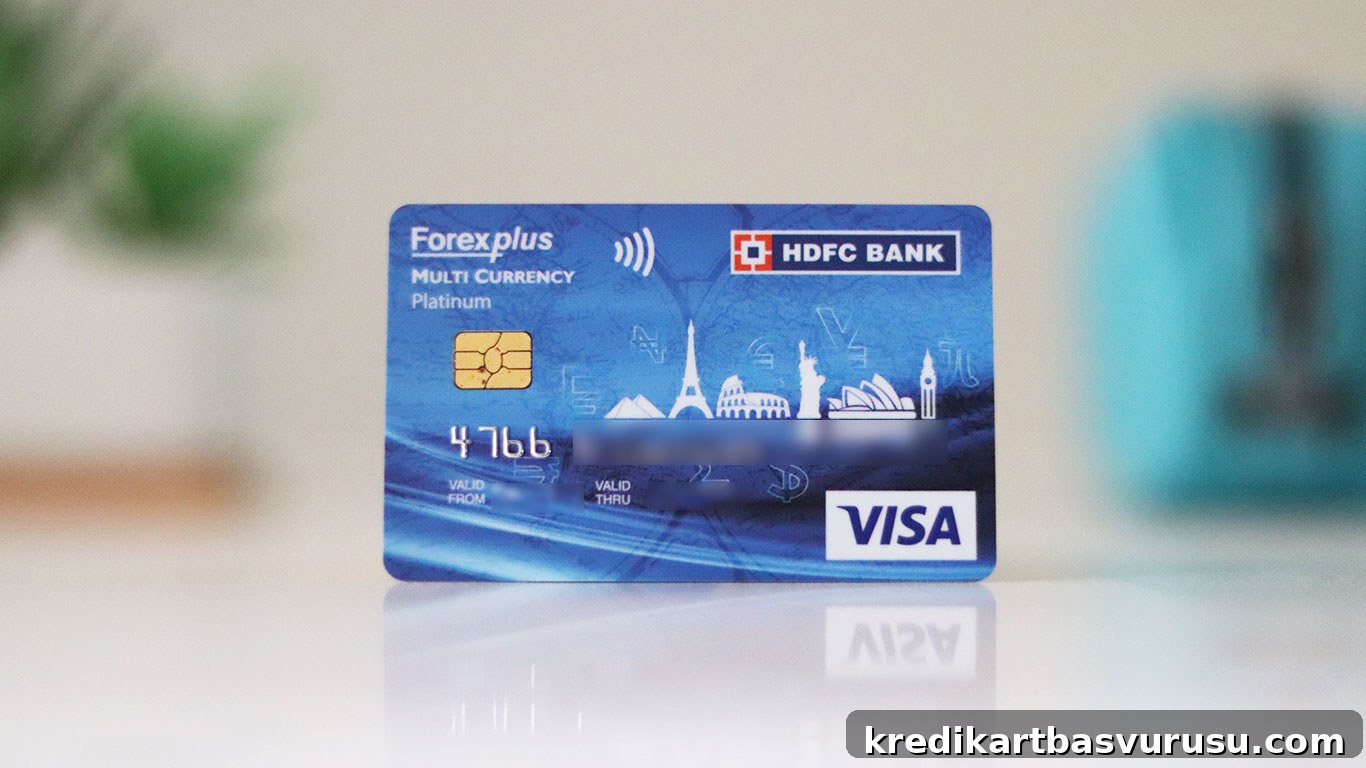
The HDFC Multicurrency Forex Card is built for travellers who want a single prepaid card to manage multiple foreign currencies. It stores balances in several currencies at once, reducing the need to carry cash or juggle multiple wallets. The card is widely accepted at POS terminals, ATMs and for online payments, and promises simplified currency usage while abroad.
Although the card advertises zero transaction fees for same-currency spends, the real cost is embedded in the exchange rate used when you load or reload funds. This review explains how the card works, the fees involved, real-world experience with rates, and when it makes sense to choose this product over other travel payment options.
Table of Contents
- Fees & Charges
- How it works
- Hands-on experience
- Promotions & rewards
- Should you take it?
- Bottomline
Fees & Charges
| Type | Prepaid Forex Card |
| Issuance Fee | 500 INR + GST |
| Reload Fee | 75 INR + GST |
| Currency Supported | Multi-currency wallet — supports 22 currencies |
| Usage | POS / Contactless, ATM, Online |
| Forex Markup Charges (For Load/Re-load) |
Approximately 2.5% (bank messaging states no charges, but exchange rate includes markup) |
| Cross-currency markup Charges | About 2% (wallet-to-wallet transfer or when a wallet has insufficient balance) |
| Daily ATM withdrawal Limit | USD 5,000 (or equivalent) |
| TCS | Nil up to ₹7L per FY; 20% beyond ₹7L per FY (for personal spends) |
| Reload Method | Online portal — user friendly |
How it works
The HDFC Multicurrency ForexPlus Card functions as a digital wallet you preload with foreign currency balances. You choose which currencies to load and can top up the wallet online whenever needed. When you spend in a currency you have loaded, the card debits that specific currency with no additional conversion on the spot. If you spend in a currency not loaded on the card, the system converts from an available wallet and applies cross-currency markup.
A key point is that the bank applies an exchange rate when you load funds. While the card avoids per-transaction forex charges for same-currency purchases, the exchange rate on loading typically includes a markup — effectively the cost of using the card. This is different from some debit cards or accounts that provide true zero-markup rates.
Hands-on experience
In practical terms, the markup becomes clear when comparing public exchange rates to the bank’s loading rate. A recent live comparison showed the following:
- Market EUR→INR rate (Google): 90.01 INR per EUR
- HDFC load rate for EUR: 91.7 INR per EUR
- Effective difference: ~2.4% markup built into the load rate
That roughly 2.4% hidden markup aligns with the lower end of HDFC’s forex margins on some premium products. The practical implication is that the card can be cost-effective when you hold the exact currency you need and avoid in-field conversions. But if you travel to multiple countries whose currencies you did not preload, you may incur conversion costs twice: once at load and again when an on-card conversion is needed while spending.
Promotions & rewards
Between 2016 and 2018 this card attracted attention because of generous reload offers tied to HDFC credit cards — including cashback and accelerated reward points. Those offers paused for several years. In 2025 HDFC reintroduced promotional reward structures for forex reloads, including a 5X rewards promotion for a limited period (January–March 2025).
Promotions can make the card attractive despite the loading markup, but they should be treated cautiously. When offers are live, load a small amount first and verify rewards are credited before committing larger sums, as reward processing and eligibility can vary. In a recent personal test outside promotional windows, a small EUR load did not yield the expected base points, reinforcing the need to test and confirm.
Should you take it?
Whether this card is right for you depends on travel patterns. If you typically visit one or two countries and can preload the exact currencies, the card is simple to use and protects you from rates at the point of sale. If you earn promotional rewards on reloads, those can offset the loading markup and make the product attractive.
For travellers who visit many different countries or who prefer withdrawing local currency as needed, a true zero-markup forex debit card may be a better choice. Such debit cards remove the embedded loading markup and simplify conversions — you withdraw local currency from ATMs abroad and pay only ATM fees where applicable. For users who primarily make card POS spends and have a premium HDFC credit card with global benefits, using the credit card with the bank’s global value program may yield superior rewards compared to the prepaid card route.
Bottomline
The HDFC Multicurrency Forex Card is convenient, easy to apply for and use, and works well when you preload the exact currencies you need. However, the true cost is often embedded in the exchange rate applied at load time, producing an effective markup of roughly 2–2.5% in real-world comparisons. Promotional reload offers can offset those costs, but verify rewards before committing significant amounts.
If you travel to multiple countries frequently, consider a zero-markup debit card or evaluate premium credit card benefits for international spends. If you travel to a small set of countries and want the convenience of locked-in currency balances, the Multicurrency Forex Card remains a reasonable option—provided you understand the loading exchange rate and plan reloads accordingly.
Have you used forex cards on your travels? Share your experience and tips in the comments.