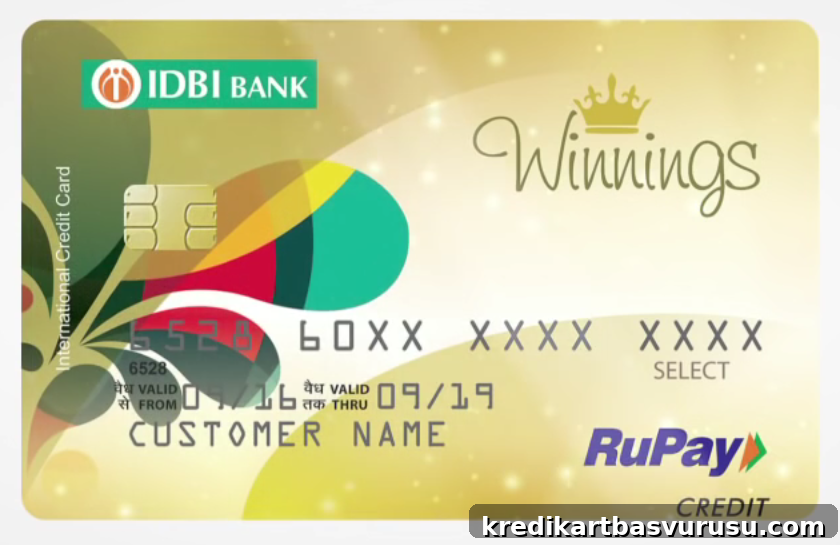
Rupay’s long-promised credit card has finally reached the market after several delays. Initially expected by the end of 2016, its launch slipped multiple times before banks began listing Rupay credit card products on their websites. Although an official NPCI press release was still pending when many bank pages went live, the cards are now visible and customers should know what to expect from this new entrant.
Rupay Credit Card India Launch – IDBI Bank
Rupay Credit Card Launch
Several public sector banks have added Rupay credit card pages and product images to their sites, though Rupay/NPCI had not issued a coordinated public launch at that moment. On social channels, Rupay acknowledged the rollout, indicating a broader announcement could follow once bank pages are fully ready. For consumers, the important point is that banks are prepared to issue Rupay credit cards and are already publishing features and visual designs.
Rupay on Twitter
#1 Union Bank Launches the First Rupay Credit Card
Union Bank appears to be among the first to list Rupay credit cards for retail customers, offering two initial variants. The feature sets listed are straightforward but not always fully transparent. One highlighted advantage is international airport lounge access across 300+ locations worldwide. The operational details of lounge access remain unclear: Rupay has partnerships that enable international acceptance, so banks may use reciprocal arrangements with providers like Diners for authentication and lounge privileges. Anecdotally, some earlier Rupay debit card lounge claims did not consistently translate into usable benefits for cardholders, so real-world validation will be important.
Union Bank also lists a promotional incentive where the top 25 monthly spenders receive travel vouchers worth INR 10,000. While attractive, such “top spender” rewards are inherently competitive and not guaranteed to most customers. Clearer thresholds or guaranteed rewards would make such offers more meaningful to cardholders.
#2 Two Main Rupay Credit Card Variants
Rupay’s credit program initially appears to offer two tiered variants:
- Platinum (comparable to Visa Signature)
- Select (positioned above Platinum, comparable to Visa Infinite)
The Select variant is presented as the premium option, including benefits such as four international lounge visits per year and two domestic lounge accesses per quarter. Rupay indicates that core benefits tied to each variant will remain consistent regardless of the issuing bank. That means lounge access, certain insurances and similar benefits are controlled centrally by Rupay/NPCI, while banks may still vary reward programs and additional offerings tied to their own cards.
#3 Initial Issuers and Focus on Public Sector Banks
At launch most of the visible issuers are public sector banks. While public sector banks now offer these Rupay credit products, larger private-sector issuers such as HDFC and SBI may join later, which could broaden market impact and accelerate adoption. The early bank designs and card visuals include offerings from Andhra Bank, Canara Bank, Central Bank of India, Corporation Bank, HDFC (design placeholder), IDBI, PMC, PNB, Union Bank and Vijaya Bank. Several images show a range of card styles and product names, reflecting different issuer branding over the same Rupay framework.
Andhra Bank Rupay Credit Card
Canara Bank Rupay Credit Card
Central Bank of India Rupay Credit Card
Corporation Bank Rupay Credit Card
HDFC Bank Rupay Credit Card (Incomplete)
IDBI Bank Rupay Credit Card
PMC Bank Rupay Credit Card
PNB Bank Rupay Credit Card
Union Bank Rupay Select Credit Card
Vijaya Bank Rupay Credit Card
Acceptance and Market Impact
Initial acceptance is expected to cover a large portion of offline merchant terminals since many POS systems already support Rupay. Offline acceptance should be strong from the start, while online gateway integration will take longer. Estimates suggest it may take several months up to a year for online acceptance to approach parity with Visa/Mastercard as payment gateways and merchant integrations are updated.
Rupay’s debit card success offers a glimpse of potential scale. As of mid-2017, Rupay had issued hundreds of millions of debit cards and captured a significant domestic share. If Rupay brings similar distribution energy to credit cards, adoption among the mass market and public sector customers could grow quickly, especially as banks promote Rupay cards as a competitive alternative to proprietary or international-network cards.
What This Means for Consumers
For many customers, Rupay credit cards will provide a new option with centrally managed benefits such as lounge access and certain protections. Premium users in the top segment may not immediately switch, but for public sector banking customers, Rupay credit cards could offer a material upgrade over older in-house card products. Carrying a Rupay Select card as a backup may be useful for occasional lounge access or specific cardholder offers.
In short, Rupay’s entry into the credit card segment increases competition and should encourage Visa and MasterCard to respond with enhanced offers in India. Over time, wider issuer participation and improved online acceptance will determine how disruptive Rupay becomes in the credit card market.
Share your thoughts on Rupay credit cards and the benefits you value most in the comments.