Like many card issuers making difficult changes during the COVID-19 period, SBI Card has quietly introduced a change that will disappoint users who rely on rewards when loading digital wallets.
Table of Contents
- What’s the change?
- Why this Change?
- What about other transactions?
- Bottom line
What’s the change?
SBI Card has updated its terms and conditions to stop awarding reward points for e-wallet load transactions. The clarification appears under the Shop-and-Smile rewards program in the updated T&C, and effectively removes points accrual on amounts used to top up wallets such as Paytm, Mobikwik and similar services.
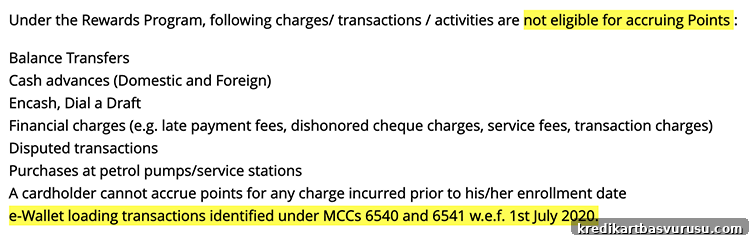
With this move, SBI Card becomes the second major issuer after HDFC Bank to restrict rewards on wallet-related spends.
Why this Change?
Banks typically block rewards on wallet loads because some cardholders exploit the flow: they load a wallet with a credit card and then transfer funds back to a bank account, effectively turning card limits into cash while still earning rewards. That behavior undermines the intended purpose of reward programs.
In this instance, SBI Card’s CEO noted in a recent interview that e-wallet usage has spiked during the pandemic. Higher wallet activity likely includes large payments—utility bills, insurance premiums and other significant spends—processed via wallets rather than directly through merchants. Such shifts can materially increase the issuer’s exposure to reward payouts on high-value transactions.
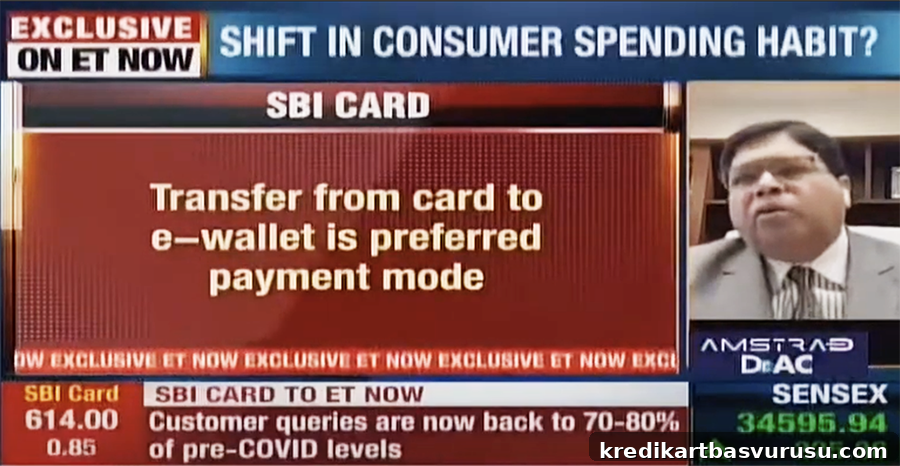
Given the surge in wallet transactions, the issuer appears to have limited reward accrual on those spends to protect margins and reduce potential misuse.
What about other transactions?
Wallet-related activity generally falls into two categories:
- Pure wallet loads, where you add money to the wallet balance.
- Wallet used as a payment gateway, where the wallet routes payment to a merchant without an explicit top-up.
In practice, the distinction is not always enforced. Banks sometimes classify payments routed through wallets as wallet loads—either because wallets report merchant category codes inconsistently or because the transaction is presented with the wallet’s merchant name. In some cases, wallet services momentarily load funds and then debit the wallet, which also makes the spend appear as a wallet load to the issuer.
Because classification can be outside the cardholder’s control, the safest approach is to avoid using credit cards for wallet payments when you want to earn rewards.
Bottom line
Is this change fair to cardholders? No.
A narrower policy—such as limiting wallet-related rewards beyond a high annual threshold—would have targeted abuse while preserving benefits for genuine users. Instead, the blanket exclusion favors the issuer’s financial interest at the expense of customers who used wallets legitimately for bill payments and everyday purchases.
This policy change does not affect milestone spend calculations on most SBI cards, so spend-linked benefits on cards such as Elite, Prime and SimplyClick should continue to work as before. Cardholders who value rewards will need to adjust habits and prefer direct merchant transactions with their cards rather than routing payments through wallets.
What do you think about SBI Card’s decision to stop rewards on wallet loads? Share your thoughts in the comments.