Disclaimer: The views expressed below are my personal opinion and may not fully reflect reality.
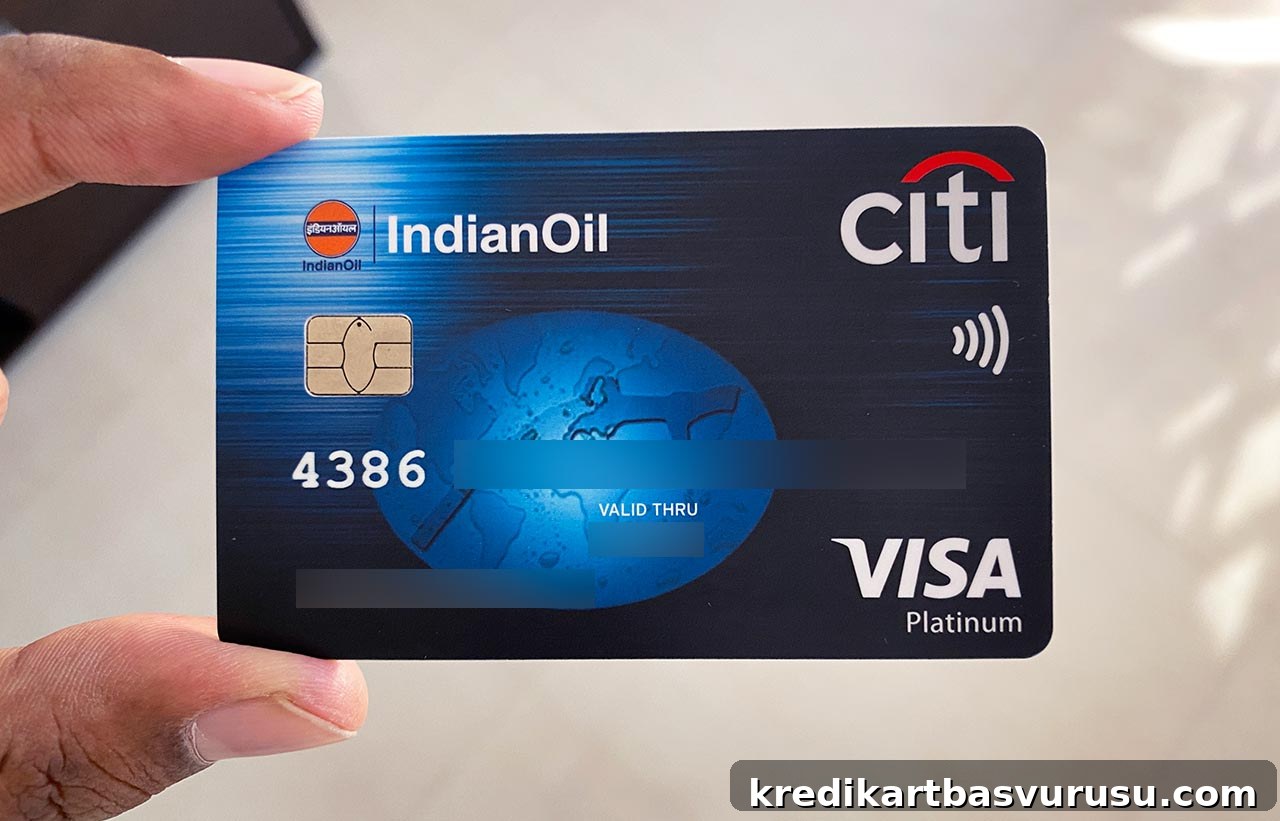
On 15 April 2021, Citi Group announced its intention to exit retail banking operations in India and 12 other countries (Australia, Bahrain, China, Indonesia, Korea, Malaysia, Philippines, Poland, Russia, Taiwan, Thailand, and Vietnam). The bank said it faces scalability challenges in these markets and prefers to reallocate resources to larger, more profitable markets. Below is a concise guide to what this means and who the likely buyers could be.
Table of Contents
- What it means?
- Potential Buyers
- DBS
- SBICard
- Axis Bank
- Others
- FAQ’s (Credit Cards)
- Final Thoughts
What it means?
Citi is exiting its retail banking business in India, which covers retail accounts and deposits, credit cards, and consumer loans such as home loans. The announcement is effectively an invitation for potential buyers to express interest in some or all of these businesses.
Among its retail assets, the credit card portfolio is the most attractive: Citi holds roughly a 6% share of market spends in India and serves high-ticket, affluent customers. That combination makes the card business especially valuable to potential acquirers.
Potential Buyers
DBS
DBS, after merging with Lakshmi Vilas Bank, planned to launch credit cards in India. Acquiring Citi’s retail assets would be a major shortcut to scale. Citi’s cards would give DBS immediate access to top-tier customers, while the LVB acquisition supplies entry-level customers — a complementary mix.
If DBS acquires Citi’s retail business, it could accelerate its growth and contend for the top ranks among Indian banks over the coming decade. Even acquiring just the credit card portfolio would be transformative, given Citi’s affluent customer base and premium product positioning.
SBICard
SBICard is another logical buyer. The issuer has shown interest in the affluent segment, for example with its AURUM product, and Citi’s premium cardholders would be a strong strategic fit. Acquiring Citi’s portfolio would bolster SBI Card’s premium customer base and strengthen its competitive stance versus HDFC Bank.
However, SBICard would need to build or adapt premium products, services and support to retain high-value customers after acquisition. Without that, the purchase risks under-delivering on value.
Axis Bank
For Axis Bank, the main interest would likely be in the credit card business rather than deposit accounts. Axis has revitalized its card proposition in recent years and now offers highly competitive rewards products. As the fourth-largest card issuer, acquiring Citi’s portfolio could help Axis overtake rivals and become a stronger competitor to SBI Card and HDFC.
Others
ICICI Bank and other large issuers may consider a bid, but cultural and operational fit will matter. Kotak is another potential buyer; however, its track record with scaling its card business makes this a less obvious fit unless Kotak commits to substantial investment and change.
HDFC Bank could theoretically buy Citi’s assets, though many of Citi’s affluent customers already bank with HDFC. HDFC has the capacity to acquire, possibly to defend market leadership rather than to fill a customer gap.
FAQ’s (Credit Cards)
1. What will happen to my existing Citi card?
For the time being, nothing changes. After a sale, a new owner may redesign products or map customers to comparable cards in its existing portfolio, but any transition is likely to be planned and communicated ahead of time.
2. What will happen to my credit limit?
Some Citi cardholders enjoy very high limits. A new issuer could reassess limits, especially if the customer already holds cards with the acquiring bank. Limit adjustments are possible but are typically handled on a case-by-case basis.
3. What will happen to my rewards?
If you have valuable rewards, consider redeeming points where practical. Transfer partners available through Citi can be rare and useful; preserving or converting rewards early can be prudent if you are concerned about changes.
4. When will this sale happen?
No timeline has been confirmed. A realistic estimate would be at least one year: several months to identify buyers and additional months to complete migration. In complex scenarios, the full process could stretch to around two years.
5. Should I close my Citi card?
Generally, it’s advisable to keep your Citi card open. Depending on the buyer, you may end up in a favorable position, and Citi is not exiting because of failure—rather, it’s a strategic decision. Maintain your account until any buyer announces changes.
Final Thoughts
Citi’s decision to exit India is surprising given the country’s growing economy and the competitive market for financial services. The bank appears to be prioritizing scale and affluent customer profiles, which it finds harder to achieve in India at the level it requires.
This shift reflects broader industry moves: even premium-focused issuers have diversified into lower segments to grow scale. For rewards enthusiasts, Citi’s withdrawal is a loss in terms of certain international transfer partners and premium products like Citi Prestige.
What are your thoughts on Citi India’s exit? Feel free to share your views in the comments below.