
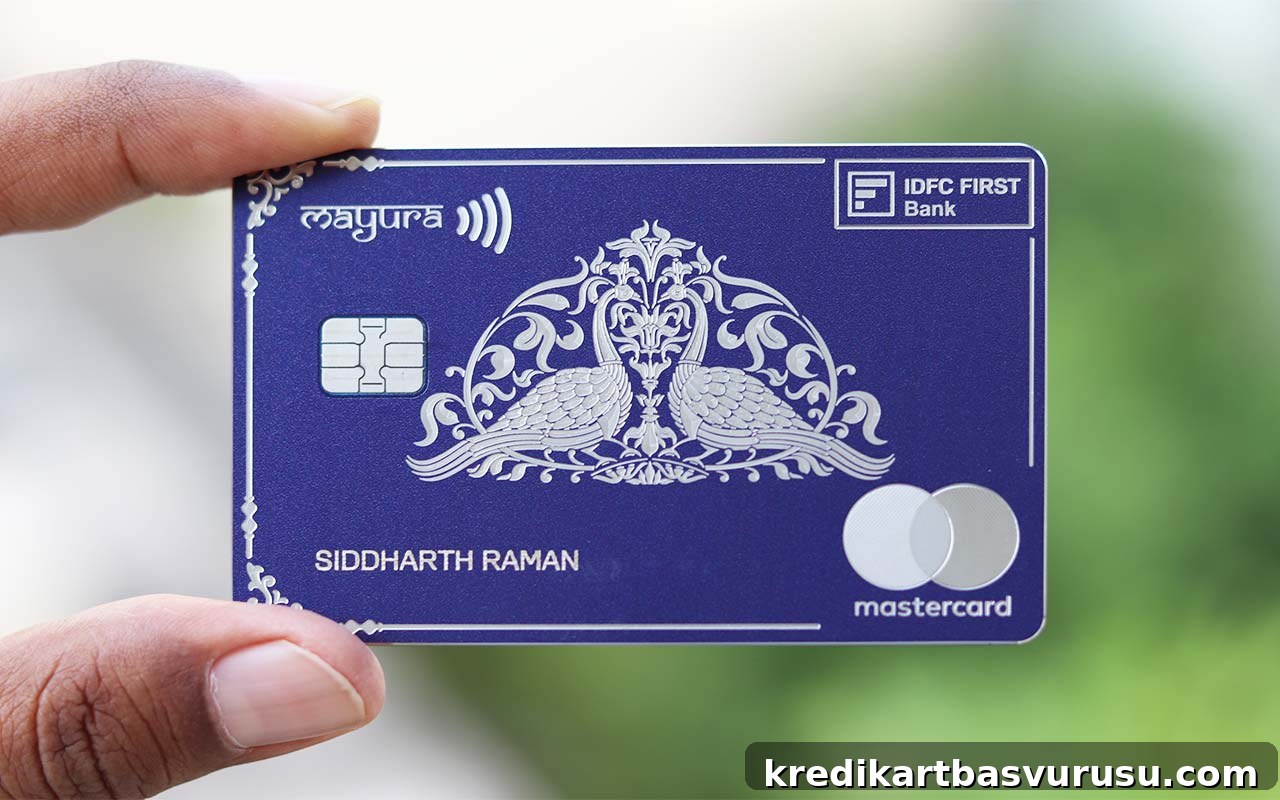
I’ve been using the IDFC First Bank Mayura Credit Card for almost a year now, and the renewal cycle has come around. With several cards in my wallet, my activity on this card amounted to only about ₹1 lakh over the year. Given that level of spend, paying the full annual fee felt hard to justify, so I decided to explore retention options before the fee was charged.
I called customer care to ask about any retention benefits. The agent initiated a closure request and informed me I would receive a callback within a few days. Soon after the call, the mobile app showed the card status as “requested for closure,” which was a small but useful confirmation that my request had been logged.
I received the callback after three days. The retention offer presented was 1,500 reward points. For a card positioned in the premium-to-super-premium segment, that felt quite underwhelming. When annual fees are significant, customers typically expect a retention offer that more closely offsets the cost or includes a clear waiver path tied to spending.
To put the offer in perspective, a friend holding the IDFC First Ashva Credit Card received 2,000 reward points as a retention benefit just a month earlier. That discrepancy made the 1,500-point offer for Mayura seem even less generous. Even accounting for differences in travel redemption value or card features, the gap raised questions about whether retention offers are standardized or vary arbitrarily across card products.
I realize my own annual spend on the Mayura card was modest, so my expectations for a large retention incentive were limited. Still, the amount felt small relative to the fee and to what competitors sometimes provide. For high annual spenders — say, those putting in ₹15 lakh a year — a small points bonus may make sense, but for average users the value doesn’t scale.
What would improve the customer experience is a more transparent, targeted approach to retention. For example, a spend-based waiver where the annual fee is waived if the cardholder meets a specific spend target within the year would be helpful. This is similar to retention or waiver schemes offered by other issuers, where the annual fee can be reversed or reduced when the account meets clear thresholds. Such a model rewards active users and gives occasional spenders a defined path to keep the card without out-of-pocket cost.
Another useful enhancement would be dynamic retention offers that reflect individual card usage. If the issuer can tailor retention incentives—larger bonuses or fee waivers for customers who show consistent or rising spend—cardholders would perceive greater fairness and value. As it stands, a flat, small points payout feels generic and easy to decline when the alternative is cancelling a card that doesn’t justify its fee.
From a practical standpoint, if you’re approaching renewal and your spend is low, it’s reasonable to call customer care a few days before the fee posts. Some customers receive better offers, while others are given minimal incentives. If you want a concrete outcome, ask explicitly about waiver conditions tied to a specific spend amount and the timeline to achieve it. Document any offers you receive and confirm them by email or in-app notification when possible.
In my case I opted to weigh the card’s ongoing value against the fee. With limited annual use and a small retention proposal, cancelling felt like the most logical option. However, cardholders with heavier travel or dining spend may find the Mayura card’s benefits worthwhile and might secure a stronger retention offer if they negotiate based on demonstrated usage.
Have you received a better retention offer on an IDFC First Bank paid credit card? Share your experience in the comments so other readers can gauge typical outcomes and negotiation strategies.